Hariti Keys, Crowbar, Medicine & Lantern
Practical pickups that open Hariti's hospital and keep you alive between chases.
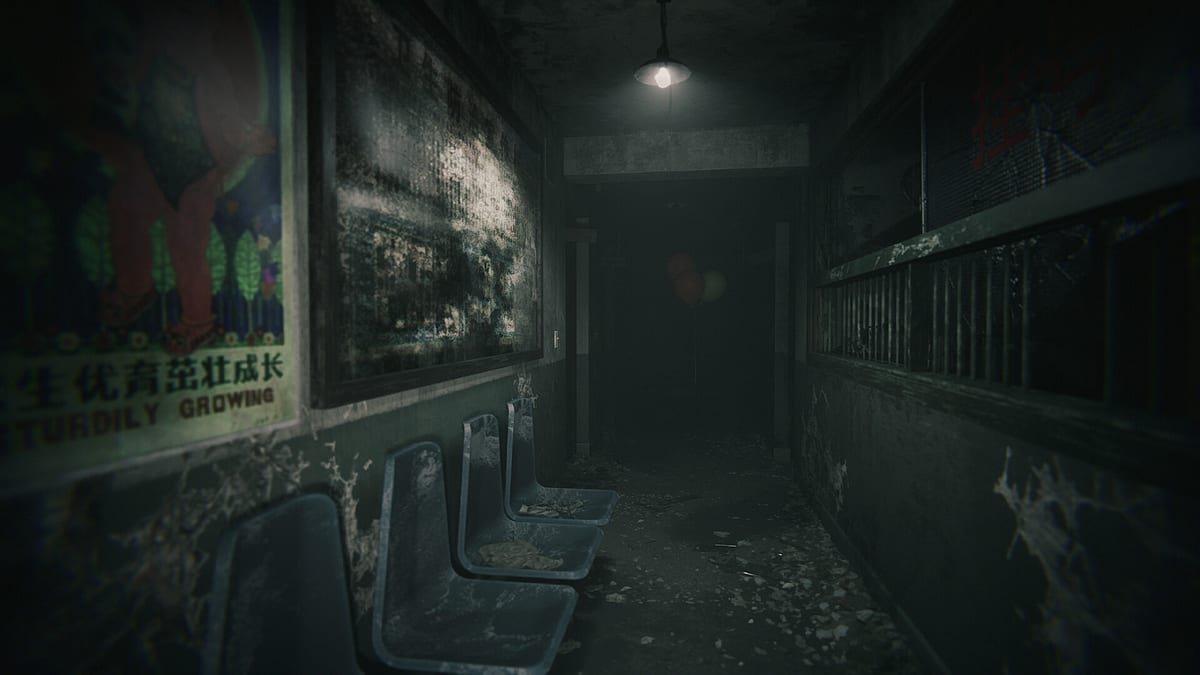
In Hariti, keys and tools are the quiet backbone of progression. Ghostcase’s first-person hospital horror does not shower you with ammo crates or crafting benches; instead, you inherit a mother’s ordinary desperation translated into a handful of physical objects — brass keys on a ring, a crowbar wedged where maintenance staff left it, medicine that may or may not calm shaking hands, and a lantern that turns oppressive darkness into something you can parse one meter at a time. Understanding what each tool does, and what it cannot do, saves hours of wandering the clinic wing after a failed Hide and Seek sequence.
This guide focuses on roles and timing rather than a pixel-perfect route. For room-by-room order, use the Walkthrough and Getting Started pages together. Return here when you hit a locked security door, a shuttered pharmacy, or a corridor where the overhead lights die and your only readable UI element is the lantern cone swinging with your breathing.
Keys: the language of locked doors
Keys in Hariti are rarely labeled with friendly quest text. You discover a key in a drawer or on a corpse-adjacent shelf, and minutes later a door you passed three times finally highlights as interactable. Early keys tend to separate public clinic space from staff-only areas — reception from records, records from a security office, security from deeper ward access. Mid-game keys often arrive in pairs: one opens a shortcut you will use while fleeing, the other opens the narrative room where a red balloon or child’s drawing reframes what happened to Cindy.
Common mistakes include picking up a key during a chase and forgetting which wing you were in, or assuming a key must be used immediately when the game wants you to backtrack after finding a clue on the Clues page. Hariti rewards methodical note-taking without punishing casual players on the critical path. If you are achievement hunting, some keys lead to optional cabinets tied to Steam unlocks such as Dollhouse or Strange Noise — cross-check the Achievements guide before you leave a wing for good.
Crowbar: forced entry when folklore locks fail
The crowbar is Hariti’s clearest nod to classic survival horror breaching. It appears in contexts where keys were lost, stolen, or never issued to the player character — boarded cabinets, jammed service hatches, or emergency shutters rusted shut after the hospital’s crisis. Using the crowbar is usually loud in fiction even if the game does not always spawn a pursuer on the spot; treat every pry as a potential signal to the Woman in Red that you are progressing toward forbidden rooms.
Unlike keys, the crowbar often stays in inventory as a reusable tool. That does not mean every cracked panel should be opened immediately. Some optional caches contain medicine; others only flavor text that deepens Folklore connections. If you are playing the Steam demo first, compare what tools appear in the sample build versus the full release on Demo vs Full Game — Ghostcase expanded several hospital wings after Next Fest feedback.
Medicine: recovery between shocks
Medicine bottles function as limited recovery items in a game that prefers dread to combat loops. Exact healing semantics can vary by chapter, but the design intent is consistent: jump scares, pursuit collisions, and scripted falls should not end a run instantly if you have been exploring thoroughly. Medicine rarely drops from enemies because Hariti is not a shooter; you find it in pharmacies, nurse stations, and abandoned first-aid kits that still smell like antiseptic under the mold.
Hoarding every bottle feels safe but can leave you overconfident during stealth segments where noise matters more than health. A better habit is to carry one spare after major set pieces — especially before sequences referenced in community guides as Lost Souls territory — and bank extras near lantern checkpoints where backtracking is cheap. Read our Review for how testers described difficulty: most agree the game is fair if you respect light and line-of-sight rules.
Lantern: light as a resource and a target
The lantern is arguably Hariti’s most important non-key item. Hospital power is unreliable; even lit corridors fall into pockets of shadow where props blend into walls. The lantern defines your readable world, which means turning it off is sometimes the correct stealth choice even though the UI pushes you toward visibility. Learn the rhythm: lantern on for navigation and note reading, lantern off or lowered when audio cues suggest something nearby is listening for movement.
Lantern oil or battery metaphors, depending on chapter scripting, encourage forward momentum. Backtracking with a dying light source creates organic tension without cheap instant death. Pair lantern management with clue hunting — many red balloon moments are placed just at the edge of your beam so you must decide whether stepping closer triggers an event. Details on those symbols live on Clues.
Inventory habits for a cleaner run
Hariti does not need spreadsheet optimization, but three habits help:
- Key ring mental map — when you pick up a key, note the wing name aloud or in the Progress Checklist so backtracking stays purposeful.
- Tool before weapon — players who rush to the stillborn infant on The Stillborn Weapon often skip medicine and regret it during multi-stage chases.
- Shortcut discipline — after opening a service door with a key or crowbar, mark it mentally as an escape route for later hide sequences.
Related pages
Return to the Items Hub for category overview, or jump to Clues when keys stop being the bottleneck and story symbols take over. Launch-day changes to interact prompts or key placements are tracked on Launch Notes. Official support for bugged doors is listed on the Links Hub if a key clearly glitched without registering.
Frequently Asked Questions
Quick answers to the most common questions.
Do I need to find every key to finish Hariti?
No. The main story path to reach Cindy requires a subset of keys tied to critical doors. Optional keys may gate achievements, lore rooms, or shortcut paths that make repeat playthroughs faster.
Is the crowbar a weapon?
It is a breaching tool for environmental locks, not a melee weapon for fighting entities. Combat-like moments revolve around hiding, running, and the separate last-resort item covered on the weapon page.
Can the lantern run out permanently?
The game uses light as tension, but you can usually find refills or reach a lit checkpoint before soft-locking exploration. If your lantern fails unexpectedly, verify you are not in a scripted blackout sequence that requires a switch or fuse elsewhere.