Hariti Items & Collectibles
Every key, tool, clue, and last-resort weapon in Ghostcase's hospital horror.
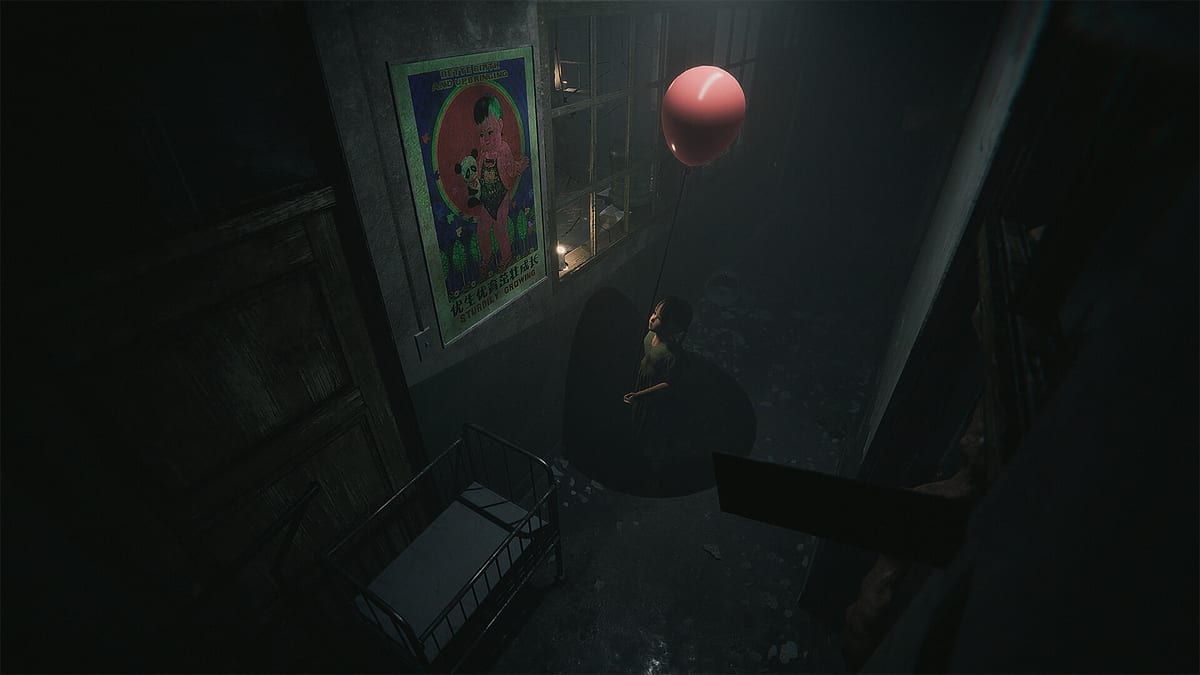
Hariti is a first-person psychological horror game where progress depends on what you pick up, what you read, and what you are willing to carry into the dark. Ghostcase built the abandoned Chinese hospital as a maze of locked doors, dim corridors, and supernatural threats, and almost every step forward is gated by an item, a clue, or a deliberate choice about when to fight instead of hide. This hub collects every major pickup category so you can plan a clean run without backtracking through wards you already cleared.
If you are starting fresh, pair this section with the Getting Started guide and the full Walkthrough so you know when each item becomes available. Items here are not cosmetic collectibles; they are survival tools, story keys, and sometimes uncomfortable symbols of the mother’s grief. Treat inventory management as part of the horror: medicine and light are limited, keys are easy to misplace after a chase, and the game’s most infamous pickup is something most players hope never to use.
What belongs in Items
Hariti’s item set breaks down into four practical groups, each with its own dedicated page on this wiki:
- Keys and Tools — door keys, the crowbar, medicine bottles, and the lantern that defines how safely you can explore after power fails in parts of the hospital.
- The Stillborn Weapon — the desiccated infant you carry as a last-resort deterrent against folklore-born entities, including encounters tied to the Woman in Red.
- Clues and Symbols — red balloons, notes, environmental storytelling, and objects that point toward Cindy and the truth buried in the facility.
None of these pages spoil every puzzle solution line by line; they explain roles, timing, and common mistakes so you can still enjoy discovery during your first playthrough.
How items connect to horror mechanics
Hariti blends exploration, light resource pressure, and stealth sequences such as Hide and Seek with occasional forced confrontation. Keys and the crowbar open physical paths; medicine stabilizes you after jump scares or pursuit damage depending on the chapter; the lantern converts unknown darkness into readable space at the cost of drawing attention in certain areas. Clues rarely sit in your inventory as named objects, but they function as items in the wiki sense because missing a balloon trail or a chart on a wall can send you in circles for twenty minutes while something listens from the next room.
The stillborn infant weapon sits outside normal horror inventory design. Ghostcase frames it as taboo protection — effective when desperation peaks, emotionally devastating every time you raise it. Our weapon page covers when the game expects you to use it, how it interacts with achievement hunting, and why rushing to equip it early is usually a mistake.
Recommended reading order
New players should skim this hub, read Keys and Tools before the mid-hospital lock cascade, then bookmark Clues when red balloons and whispers about the Woman in Red intensify. Save the weapon guide until you have seen the object in-game or until a chase sequence repeatedly ends in failure. Lore-focused players should cross-read Folklore because several items mirror Yakshini mythology and Chinese medical imagery rather than generic Western horror props.
Tools and tracking
Use the Progress Checklist if you want a structured pass through keys, story beats, and Steam achievements without keeping handwritten notes. The checklist mirrors the item pages but adds checkbox flow for completionists. For hardware questions before you buy or install, see System Requirements — Hariti targets modest PC specs but benefits from headphones and a dark room more than a high-end GPU.
Updates and official sources
Item behavior can shift slightly after launch patches. When Ghostcase posts fixes, we log them on Launch Notes and the broader Updates Hub. The Links Hub lists the Steam store page, demo link, and developer contact if you need to report a bug tied to a missing key or broken interaction.
Hariti has no multiplayer, no codes, and no shared inventory between players — every item decision is yours alone in a single-player story about a mother who refuses to stop searching.
Frequently Asked Questions
Quick answers to the most common questions.
Does Hariti have a traditional weapon inventory?
No. You carry keys, tools, medicine, and a lantern for exploration. The stillborn infant is a rare last-resort item, not a combat loadout. Most threats are handled through hiding, running, and puzzle progression.
Can I miss permanent items on a first playthrough?
Some keys and clues gate optional rooms or achievements, but the main path to finding Cindy is linear enough that you cannot soft-lock the story forever. Use the Progress Checklist if you care about collecting everything in one run.
Where should I start if I only want item locations?
Start with Keys and Tools for physical pickups, then Clues for red balloons and story objects. Pair both with the Walkthrough when you want step-by-step room order without guessing which door matters next.